
Selecting the right dog to become a medical service dog is a vital process that involves a variety of critical factors, from temperament to breed and size. Choosing the right dog helps ensure the recipient receives a well-trained, life-changing service dog that can enhance their life and help them regain independence.
Here is a look inside our service dog selection process and how it helps us train and pair the best medical service dogs for our recipients.
Not Every Good Dog Is a Good Service Dog Candidate
One of the most common misconceptions about service dogs is that any friendly, well-behaved dog can perform this type of work. While many dogs make wonderful pets, service dog work requires a unique combination of physical ability, temperament, confidence, and motivation.
Medical service dogs accompany recipients into a wide range of environments, including grocery stores, restaurants, airports, medical facilities, workplaces, and public events. They must remain calm, attentive, and responsive despite distractions, unfamiliar situations, and changing environments.
Because of these demands, selecting the right candidate is one of the most important parts of the entire training process. Finding dogs with the qualities needed to succeed helps create strong, dependable teams that can work together for years to come.
Why Temperament Matters
Temperament refers to a dog’s natural behavioral tendencies and emotional responses. It influences how a dog reacts to people, new experiences, noises, handling, and stress.
A successful service dog candidate is typically:
- Confident but not overly assertive
- Friendly and approachable
- Comfortable around strangers
- Resilient in unfamiliar environments
- Able to recover quickly from surprises or distractions
- Willing to engage with people
Temperament is often more important than obedience during the selection process because training can teach skills. Still, a dog’s natural disposition plays a significant role in how they approach learning and public access work.
The most successful candidates are curious, adaptable, and eager to interact with people. These qualities help them navigate new situations while staying focused on their future role supporting a recipient.
Looking Beyond Shelter Behavior
Many of the dogs selected for the Guardian Angels Medical Service Dogs program come from shelters. We often look for medium- to large-sized dogs aged 10 months to 2 years. At this stage, a dog’s personality and behavioral tendencies are becoming more established, giving trainers a clearer picture of how they may respond to training and service work.
This age range also provides an opportunity to give deserving shelter dogs a meaningful purpose. Many dogs in this stage of life are overlooked by adopters, making it especially rewarding to identify those with the potential to become successful medical service dogs.
It is important to remember that a shelter environment does not always reflect a dog’s true personality.
Shelters can be noisy, stressful places. Dogs often adopt the behavior of the animals around them, barking or reacting to the environment rather than reflecting their typical temperament. Experienced trainers understand that context matters and look beyond these temporary behaviors when evaluating a candidate.
One of the first things we observe is how a dog responds when approached. Does the dog come forward with curiosity? Do they wag their tail and show interest in interaction? These are encouraging signs that the dog may be willing to build the strong human connection that service work requires.
Dogs that demonstrate a willingness to engage are often invited out of the kennel for further evaluation in a quieter setting where their true personality can shine through.
Confidence Is Essential for Public Access Work
Service dogs encounter countless situations throughout their working lives.
They may walk through crowded stores, ride elevators, travel on public transportation, navigate busy parking lots, or accompany recipients to appointments and events.
A dog does not need to be fearless to succeed, but they do need confidence.
Confident dogs are willing to investigate new experiences rather than avoid them. They can recover quickly if something unexpected occurs and remain focused on their handler instead of becoming overwhelmed by their surroundings.
Dogs that approach new experiences with curiosity and resilience are often well-suited for service work because they can adapt to the many environments they will encounter alongside their recipients
Evaluating Work Drive and Motivation
Another important characteristic is work drive.
Work drive refers to a dog’s willingness to engage, learn, and stay focused during training. Service dogs spend thousands of hours learning skills and tasks that will ultimately support their recipients.
To assess work drive, trainers often evaluate a dog’s interest in food, toys, and interaction.
When a dog is offered a treat or invited to play, we look for signs that they are engaged and interested. Food motivation and toy drives can be valuable training tools because they help reinforce desired behaviors and encourage learning.
Just as importantly, we observe whether the dog is interested in interacting with people.
Dogs that naturally enjoy working with humans often excel in service dog training because they are motivated to learn, communicate, and stay engaged with their trainer and eventually their recipient.
This willingness to connect is one of the qualities that help create successful service dog teams. Once a dog demonstrates these foundational qualities, they can begin the extensive service dog training process, where they learn the skills and tasks needed to assist recipients in everyday life.
The Importance of Handling and Trust
Medical service dogs must be comfortable being touched and handled in a variety of situations.
During evaluations, trainers carefully assess how dogs respond to having their paws handled, tails touched, ears examined, and bodies gently manipulated.
This is not simply a matter of convenience. Service dogs often work around children, medical professionals, caregivers, and members of the public. They may encounter accidental bumps, crowded environments, or situations where physical contact is unavoidable.
Service dog candidates thrive when they are comfortable with routine handling and demonstrate trust in people. This trust helps them remain calm and reliable across a variety of public and family settings, creating a safer, more positive experience for everyone involved.
Why Physical Health Matters
Temperament and work drive are critical, but physical health also plays an important role in the selection process.
Medical service dogs often spend years assisting recipients with daily tasks and helping them participate in active lifestyles. To prepare them for a long and successful working life, trainers evaluate each dog’s structure and movement.
Dogs should be able to move comfortably and efficiently without signs of physical limitations that could affect their ability to work in the future. By selecting physically sound candidates, Guardian Angels helps ensure recipients are paired with service dogs that can support them for many years.
Do Certain Breeds Make Better Service Dogs?
Breed alone does not determine whether a dog will succeed as a service dog, but it can provide helpful insight into natural tendencies and behavioral traits.
Different breeds were originally developed for different purposes. Some were bred to work closely with people, while others were bred to operate more independently. Understanding these traits can help trainers identify dogs whose instincts and personalities align well with service work.
However, every dog is evaluated as an individual. Regardless of breed, the qualities that matter most are confidence, stability, willingness to learn, and the ability to form a strong working partnership with a recipient.
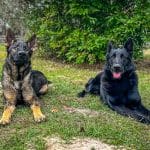
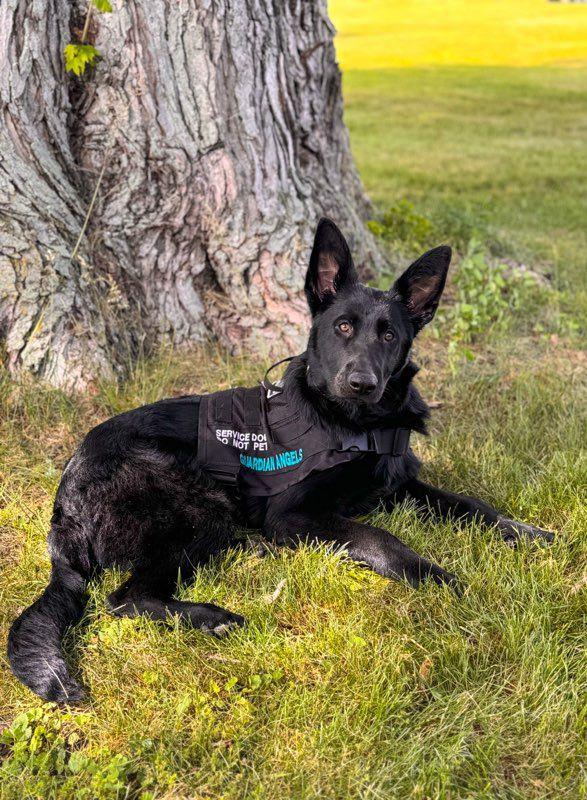
At Guardian Angels Medical Service Dogs, we work primarily with German Shepherds. This breed has been specifically bred to serve as a working dog and often matures faster than other breeds. Depending on the characteristics of a dog, mixed-breed dogs can be successfully trained, and we have had success with them in our teams, but our rescues are primarily German Shepherds due to their versatility.
Building Successful Teams Starts With Careful Selection
Long before a recipient is paired with a medical service dog, significant time and expertise go into identifying the right candidates.
Selecting dogs with the proper temperament, confidence, work drive, and physical soundness creates a strong foundation for training and long-term success.
One of the most rewarding aspects of the selection process is discovering dogs with the potential to make a meaningful difference in someone’s life. Every successful service dog begins as a candidate with the right combination of temperament, confidence, and willingness to learn. From there, trainers work to develop those qualities and ultimately create a successful partnership through a thoughtful service dog matching process that considers both the dog’s strengths and the recipient’s specific needs.
The goal is not simply to train a dog. The goal is to build a reliable team that can work together for years to come.
Through careful evaluation, expert training, and thoughtful pairing, Guardian Angels Medical Service Dogs helps create partnerships that support greater independence, confidence, and quality of life for recipients.
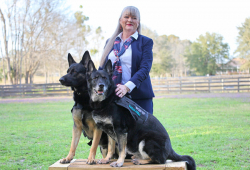
Mrs. Borden’s expertise and accomplishments are acknowledged by numerous national awards from various industries and agencies including the 2018 Corporate Pet Industry Woman of the Year and multiple awards for her organization’s work in mental health and suicide prevention.
She is frequently requested as a Keynote Speaker, and as an Industry Consultant to teach service dog laws to judicial systems, attorneys, and businesses, and to assist in service dog bills in multiple states that were passed into law. In 2020, she started an Institute for Higher Learning and the Borden Veterinary Hospital. Additionally, she has written and teaches college-accredited/VA-approved apprenticeship courses on dog training and service dog training.