

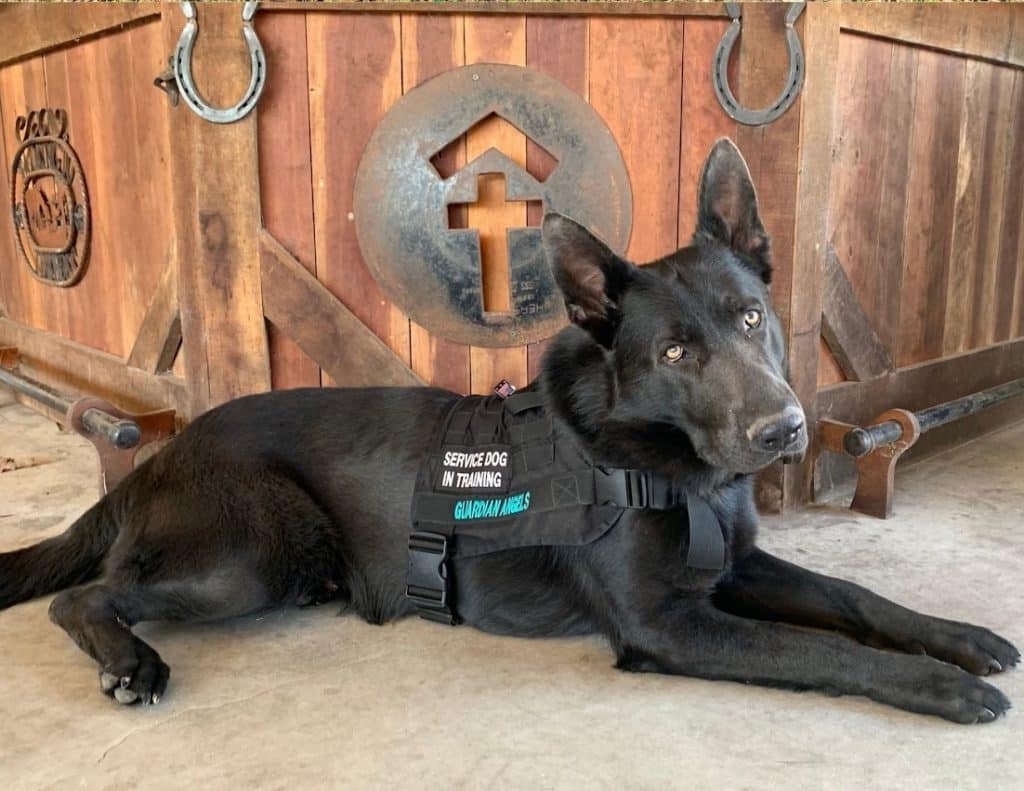
Understanding the difference between a service dog and an emotional support animal is important because the distinction can affect a person’s rights, responsibilities, and daily experiences in very real ways. While both can provide meaningful support, they are not treated the same under the law. That means the rules may be different when entering public places, dining in restaurants, traveling, or requesting housing accommodations.
Knowing the difference can help prevent confusion, frustration, and unrealistic expectations. It can also help individuals, families, and businesses respond more appropriately in everyday situations. Most importantly, a clear understanding of these terms helps protect the legitimacy of service dogs while also giving people accurate information about where emotional support animals may or may not be accommodated.
This guide breaks down the distinction in simple, practical terms, with examples that explain how the rules apply in public spaces, housing, travel, and everyday life.
What Is a Medical Service Dog?
A medical service dog is a dog that has been specially trained to assist a person with a disability by performing specific tasks related to that person’s individual needs. These trained tasks help support the handler in daily life and are an important part of what makes a service dog different under the law.
Depending on the person, a medical service dog may be trained to retrieve medication, alert to a medical episode, assist with mobility-related needs, turn on light switches, close doors, and much more.
At its core, a medical service dog is defined by the trained work it performs in connection with a person’s disability. While the relationship between a recipient and service dog can also bring comfort and reassurance, the dog’s role is centered on the specific tasks and support it has been trained to provide.
For a deeper explanation, read Difference Between Service Dog and Emotional Support Animal
What Is an Emotional Support Animal?
An emotional support animal, often called an ESA, is an animal that provides companionship and comfort through its presence. For some individuals, that support can be deeply meaningful and can play an important role in everyday emotional well-being.
Unlike a service dog, an emotional support animal is not defined by trained task work related to a disability. That distinction is important when explaining how ESAs are viewed under the law
While emotional support animals can be very important to the people who rely on them, they do not have the same public access rights as service dogs under U.S. law. That is often where confusion comes in. Although both can provide meaningful support, the law does not treat emotional support animals and service dogs the same way.
The Main Difference Between a Service Dog and an ESA
The clearest difference comes down to trained task work and public access rights.
Service dogs:
- Are trained to perform specific tasks related to a disability
- Have public access rights under the Americans with Disabilities Act
- Are generally allowed in businesses and public settings where pets are not allowed
Emotional support animals:
- Provide emotional comfort through their presence
- Are not granted the same public access rights under the ADA
- Are typically treated like pets in stores, restaurants, and many public spaces
Public Access: Where Can Each One Go?
Public access is one of the most searched parts of the “ESA vs. service dog” question, and for good reason. This is where legal differences become most visible.
Service Dogs in Public Places
In general, service dogs are allowed to accompany their recipient into public places where pets are not usually allowed, including:
- Grocery stores
- Restaurants
- Medical offices
- Hotels
- Retail stores
- Airports
- Schools and universities
Businesses may ask only limited questions in situations where the disability and the task are not obvious. They may ask:
- Is the dog required because of a disability?
- What work or task is the dog trained to perform?
They cannot require documentation or require the service dog to perform the task it is trained to do to grant public access.
Emotional Support Animals in Public Places
Emotional support animals do not have the same public access rights as service animals. In many everyday settings, an ESA can legally be refused entry if the business does not allow pets.
That means an ESA is not automatically allowed in places like:
- Restaurants
- Shopping centers
- Movie theaters
- Grocery stores
- Salons
- Hospitals, unless the facility has its own policies
This may be frustrating for owners who rely on their animal’s presence, but the law draws a clear line between emotional support and trained service work.
Travel: Service Dog vs. Emotional Support Animal on Planes
Travel rules have changed in recent years, leading to confusion for travellers.
Service Dogs and Air Travel
Airlines recognize trained service dogs under current air travel rules, and they are protected by the Air Carrier Access Act, though there may be forms and procedures that apply. Airlines may require advance notice and specific documentation related to the dog’s training, health, or behavior standards.
A service dog that meets the airline’s requirements may travel with the recipient in the cabin.
Emotional Support Animals and Air Travel
Most airlines no longer treat emotional support animals the same way they once did. In many cases, ESAs are now treated under the airline’s regular pet policy rather than as a disability accommodation.
That means an emotional support animal may be subject to:
- Pet fees
- Size restrictions
- Carrier requirements
- Breed or route limitations
- Cargo travel rules, depending on the airline
Because airline policies can differ, travelers should always check directly with the airline before flying.
What About Therapy Dogs?
Another point of confusion is the role of therapy dogs in public settings.
Therapy dogs are different from both service dogs and emotional support animals. They may visit schools, hospitals, nursing homes, or community programs to provide comfort to others, but they are not granted the same individual public access rights as service dogs.
To learn more, visit What’s the Difference Between a Service Dog and Therapy Dog?
Housing for Individuals with Service Dogs vs. Emotional Support Animals
The ADA explains that service animals are generally protected in many public places, but it also notes that other laws apply to housing. In many housing situations, the Fair Housing Act may control how a request is reviewed when a person with a disability uses a service animal or another animal that helps with a disability.
For someone with a service dog, the next step may be requesting a reasonable accommodation from a landlord, property manager, housing authority, or housing provider. It is important to note that individuals with a service dog generally cannot be charged a pet deposit or fee or be turned away due to breed or size restrictions.
In some situations, the disability and the need for the service dog may be obvious. In others, the housing provider may ask for information that helps explain why the accommodation is needed.
Emotional support animals are also protected under fair housing laws as a reasonable accommodation for a person with a disability, but there may be restrictions that apply.
Housing providers may request documentation showing that the need for the emotional support animal is related to a disability, and they may impose certain lawful restrictions, such as requiring the animal to be leashed or harnessed in common areas or excluding an animal if it would create an undue burden or violate public health requirements.
Why This Difference Matters
Understanding the distinction helps individuals, families, businesses, and communities respond appropriately and respectfully.
- For people with disabilities, clarity can reduce stress and make daily life easier to navigate.
- For business owners and staff, it supports better decisions and more confident interactions.
- For the public, it helps protect the legitimacy of trained service dogs while also respecting the meaningful role emotional support animals may have in a person’s life.
Want to Help Support Our Mission? Donate Today!
The difference between a service dog and an emotional support animal is not just a matter of wording. It shapes what access is allowed in restaurants, stores, airports, housing, and other everyday settings.
When people understand the difference, they are better equipped to advocate for themselves, follow the law, and support respectful access in public life.
Consider donating today to support Guardian Angels Medical Service Dogs’ mission to provide life-changing service dogs to veterans, first responders, and civilians living with disabilities.

Mrs. Borden’s expertise and accomplishments are acknowledged by numerous national awards from various industries and agencies including the 2018 Corporate Pet Industry Woman of the Year and multiple awards for her organization’s work in mental health and suicide prevention.
She is frequently requested as a Keynote Speaker, and as an Industry Consultant to teach service dog laws to judicial systems, attorneys, and businesses, and to assist in service dog bills in multiple states that were passed into law. In 2020, she started an Institute for Higher Learning and the Borden Veterinary Hospital. Additionally, she has written and teaches college-accredited/VA-approved apprenticeship courses on dog training and service dog training.