
Service Dogs and the Holiday Season: Safety, Etiquette, and Awareness
The holiday season is filled with gatherings, travel, decorations, and winter conditions that can add joy—but also a variety of new challenges—for service dogs and their recipients. A service dog’s role does not pause during the holidays. These dogs continue to perform trained tasks, monitor their recipients, and remain attentive to subtle cues.
Because the environment around them changes significantly this time of year, recipients and the public play essential roles in helping service dogs remain safe, healthy, and focused.
Preparing to Attend a Holiday Gathering with Your Service Dog
When you are invited to a holiday party in someone’s home, the first and most respectful step is to communicate with the host well in advance of the event. Explain that your service dog must accompany you and ask if this poses any concerns. This conversation might feel uncomfortable, but it helps avoid misunderstandings later and protects both you and your dog.
Some hosts may have pets that freely roam their homes. If they believe these pets may interfere with your service dog, or if the environment is not conducive to accommodating a working dog, it is better to discuss this upfront. You might hear something like:
- “My cat won’t leave a dog alone.”
- “My dog reacts badly to unfamiliar dogs.”
- “Small children are running around, and I can’t guarantee things won’t get chaotic.”
If the host expresses such concerns and cannot make adjustments, recipients may need to politely decline the invitation. This is an unfortunate but necessary part of ensuring the service dog’s safety and ability to work properly.
On the other hand, many hosts are more than willing to help create a comfortable space. They may offer to put their pets in another room for the evening or temporarily adjust their setup so that both you and your dog can attend with minimal stress.
This advance communication prevents misunderstandings and reinforces the principle that recipients play a key role in upholding proper etiquette and helping others understand how to interact with service dogs.
Expectations for Service Dog Behavior in Private Homes
If the host welcomes you and your service dog, the next step is to ensure your dog’s training and good behavior remain consistent in this new environment. Holiday gatherings often include food within reach, people walking around with plates, and children carrying snacks. Even a well-trained service dog can find the sights and smells of the holidays tempting.
A properly behaved service dog should not:
- Sniff at plates, serving dishes, or hors d’oeuvres.
- Hover near countertops or coffee tables.
- Attempt to pick up dropped food items.
- Beg from guests or family members.
Guests will often want to show affection toward a dog by offering a piece of their dinner or a holiday cookie. Even small gestures can create long-term behavioral issues. If the dog learns that accepting food from strangers is allowed, they may begin to expect treats whenever they enter a restaurant, visit a grocery store, or accompany their recipient into any public setting.
This is why a clear, consistent explanation makes a difference:
“He’s a working dog and must remain on a specific diet. Please don’t give him any food.”
Many recipients find that a simple, polite explanation is enough to help others understand. Most people want to be helpful, and sharing why consistency matters gives them a way to support your service dog’s success.
Holiday Foods and Unsafe Treats: Protecting Service Dogs From Seasonal Hazards
During the holidays, food often takes center stage in celebrations. For service dogs, however, many of these foods can create serious health issues.
Cooked Bones
Cooked bones—such as those from ham, turkey, or chicken—can break into sharp pieces that may lodge in the throat or puncture the gastrointestinal tract. This is a medical emergency and requires immediate veterinary care.
Chocolate, Candies, and Baked Goods
Chocolate is highly toxic to dogs. Additionally, many candies contain artificial sweeteners, such as xylitol, which can be especially dangerous. Even sugar-heavy treats may cause digestive upset that lasts several days.
Rich or Seasoned Foods
Holiday dishes often contain ingredients such as butter, oils, spices, garlic, and onion that can cause stomach problems or pancreatitis in dogs.
Even if a food item is not directly toxic, feeding a service dog from the holiday table creates long-term behavioral problems. A service dog distracted by food can miss essential cues from their recipient, reducing safety and reliability.
To avoid these risks:
- Keep food off low tables.
- Cover trays when not in use.
- Ask children to avoid carrying snacks at the dog’s level.
- Remind guests not to feed the dog, no matter how tempting it is.
These precautions help keep the dog healthy and preserve essential work habits.
Holiday Decorations: Creating a Safe Environment for Service Dogs
Decorations transform homes during the holidays, but they can pose risks for dogs that are unfamiliar with these seasonal items. Although service dogs are highly trained, having unsafe or tempting objects in their reach may still pose a risk.
Low-Hanging Ornaments and Tempting Objects
Ornaments, garlands, and decorative figures may resemble toys. Service dogs should be trained to “leave it,” meaning they should not touch or pick up the object. Still, it is important not to assume this behavior will automatically carry over to items that are new or highly interesting.
Allow your dog time to observe decorations, but ensure they do not lick, chew, or carry them.
Electrical Cords
Holiday lights and electric displays mean new cords appear around trees, stair railings, and mantels. Dogs that are not accustomed to these cords may become curious. Securing or concealing cords prevents accidental chewing or entanglement.
Food-Based Decorations
Some families decorate with real gingerbread, popcorn strings, dried fruits, or candy. These are especially tempting to dogs. Keeping all edible decorations out of reach eliminates risk and prevents unwanted behavior.
A simple way to think about it is this: if a toddler could reach it, a dog probably can too. Planning removes opportunities for mischief and keeps everyone safe.
Winter Weather Travel: Protecting Service Dogs in Cold Conditions
Many service dogs enjoy the snow and cold weather, but a fur coat does not guarantee warmth or protection. Dogs can experience frostbite, dry skin, and discomfort, especially if they are unaccustomed to winter climates.
Cold Exposure and Frostbite
Dogs may not show that they are getting cold until the issue has progressed. Their paws, toes, and ears are particularly vulnerable. Recipients should:
- Limit outdoor play time.
- Bring the dog indoors regularly to warm up.
- Thoroughly dry the dog’s coat and paws after they have been in the snow.
Even if a dog seems comfortable, monitoring them closely prevents injury.
Salt and Chemical Deicers
Public sidewalks and roads are often treated with salt or chemicals to prevent ice from forming. These substances can irritate paw pads and cause burns. They also pose a risk if the dog licks its paws after exposure.
Recipients can take the following precautions:
- Use protective booties and practice with them before winter arrives.
- If booties are not available, rinse and dry paws immediately after each walk.
- Apply paw balm if recommended by your veterinarian.
Booties can take time for a dog to get used to, and many dogs walk awkwardly when first wearing them. Practicing indoors or in mild weather helps the dog become comfortable before winter conditions make protection necessary.
Crowded Malls and Holiday Shopping: Managing Public Interactions
Holiday crowds can increase the stress level for many recipients, and they create more distractions for service dogs. During this time of year, recipients are likely to encounter:
- More people approaching the dog.
- Individuals trying to pet the dog without asking.
- People calling out, whistling, or using high-pitched “baby talk.”
- Questions about the dog’s training or purpose.
Service dogs should remain focused, but they are still dogs—and distractions can interfere with their ability to notice subtle cues from their recipients.
A brief, polite statement often works well, such as:
“I’m sorry, he’s working.”
Recipients are not required to explain their disability or provide any additional details. A simple reminder will help to set boundaries without conflict.
What the Public Should Understand About Service Dogs During the Holidays
Do Not Distract the Service Dog
A service dog may appear relaxed or simply walking beside its recipient, but it is always working. Distractions can cause the dog to miss important signals that help keep its recipient safe.
A dog that works with seizure alerts, for example, monitors subtle changes in the recipient’s body. If a stranger distracts the dog, those early cues could be missed, leading to potentially serious consequences.
Respect Personal Space
Many recipients experience some level of anxiety, and navigating a busy holiday environment can heighten that. Repeated interactions—even friendly ones—can make a short errand feel overwhelming.
Commenting from a distance, such as “What a well-behaved dog,” can be appreciated, but approaching to pet or interact is disruptive. The most respectful choice is to admire the team from afar.
Avoid Adding Time and Stress
If every dog lover stopped a service dog team, a quick shopping trip could turn into an hours-long ordeal. Keeping interactions brief or avoiding them altogether helps recipients move through their tasks efficiently and comfortably.
Preparing Your Own Home for a Visiting Service Dog
While homeowners are not expected to or required to accommodate a service dog at their holiday gathering, if you plan to welcome a service dog team into your home this holiday season, these are some considerations to make:
- Keeping cookies, candy trays, and snacks out of reach.
- Ensuring electrical cords are tidy and secure.
- Avoiding edible decorations within reach of the dog.
- Giving the service dog space to settle without being approached repeatedly.
- Separating your own pets if needed.
These small steps support the service dog’s ability to work and help the recipient participate fully in the celebration.
Supporting Service Dog Teams Throughout the Season
The holidays bring changes to daily routines, unfamiliar environments, and potential hazards. With proper planning, clear communication, and consistent expectations, recipients can ensure their service dogs remain healthy, safe, and focused.
Likewise, when the public respects the working role of service dogs, they help support the individuals who rely on them for essential tasks and independence.
Guardian Angels Medical Service Dogs encourages everyone—recipients, families, friends, and the community—to be mindful during this time of year. A little preparation and understanding go a long way in helping service dog teams navigate the holidays and winter months with confidence and safety.
Please donate today to support our mission of pairing highly trained service dogs with individuals living with permanent disabilities, helping them regain their independence this holiday season.
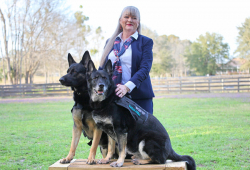
Mrs. Borden’s expertise and accomplishments are acknowledged by numerous national awards from various industries and agencies including the 2018 Corporate Pet Industry Woman of the Year and multiple awards for her organization’s work in mental health and suicide prevention.
She is frequently requested as a Keynote Speaker, and as an Industry Consultant to teach service dog laws to judicial systems, attorneys, and businesses, and to assist in service dog bills in multiple states that were passed into law. In 2020, she started an Institute for Higher Learning and the Borden Veterinary Hospital. Additionally, she has written and teaches college-accredited/VA-approved apprenticeship courses on dog training and service dog training.
- Sponsor a Service Dog: What Your Support Makes Possible - March 16, 2026
- Veteran Suicide Prevention is Falling Short in Southwestern PA - February 27, 2026
- What Every Dog Owner Should Know About Service Dogs and Public Safety - January 23, 2026